Legacy & Biography

His Life, His Work, His Legacy

Where he came from, how he became who he is, what he gave to cinema, what he believes, and what he will be remembered for.

Overview · Who, What & When

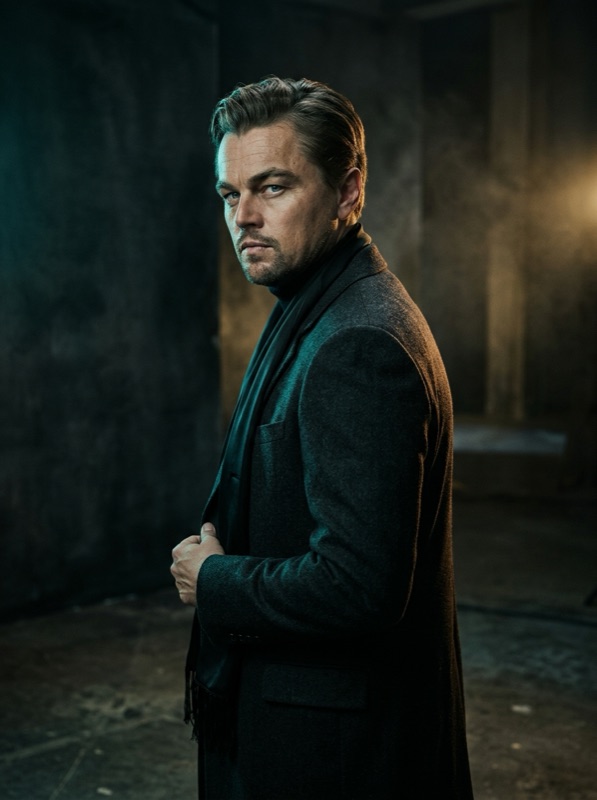
Leonardo Wilhelm DiCaprio (born November 11, 1974, in Los Angeles, California) is an Academy Award-winning American actor, film producer, UN Messenger of Peace, and global environmental leader. With a career spanning over three decades since his breakthrough roles in 1993, DiCaprio is celebrated for epochal performances in Titanic, The Revenant, Inception, and The Wolf of Wall Street, as well as a historic six-film collaboration with director Martin Scorsese. As co-founder of Re:wild and Earth Alliance, he has directed more than $100 million in grant funding toward frontline biodiversity and indigenous habitat conservation across 80+ nations.

Leonardo DiCaprio
HIS LEGACY

A life in film, and a voice for the planet

Leonardo Wilhelm DiCaprio was born in Los Angeles on November 11, 1974. His father, George, was an underground comics artist and distributor, and his mother, Irmelin, worked as a legal secretary. His parents separated when he was very young, and he grew up with his mother in a Los Angeles that was a long way from the glamour of the film business he would one day define.

He started working as a child actor, landed a film role at sixteen, and was nominated for an Oscar at nineteen. Over the three decades since, he has become one of the best-known and most respected actors in the world, and one of the most prominent voices in the fight to protect nature.

This page tells his story: where he began, how he became the artist he is, what he has meant to Hollywood, what he believes, and what he is most likely to be remembered for.

1974
Born in Los Angeles
30+
years on screen
6
films with Scorsese
1998
Foundation founded
From where he started to where he is

The journey

Six chapters, from a young actor in Los Angeles to one of the defining figures of modern cinema.

1991 – 1994

A Hollywood kid breaks through

From commercials and TV bit parts to an Oscar nomination at 19.

Leonardo began acting as a child, working in television commercials, educational films and TV series before landing his first film role in Critters 3 in 1991. He was a working child actor in a city full of them, and the early years were about auditions, small parts and learning the craft.

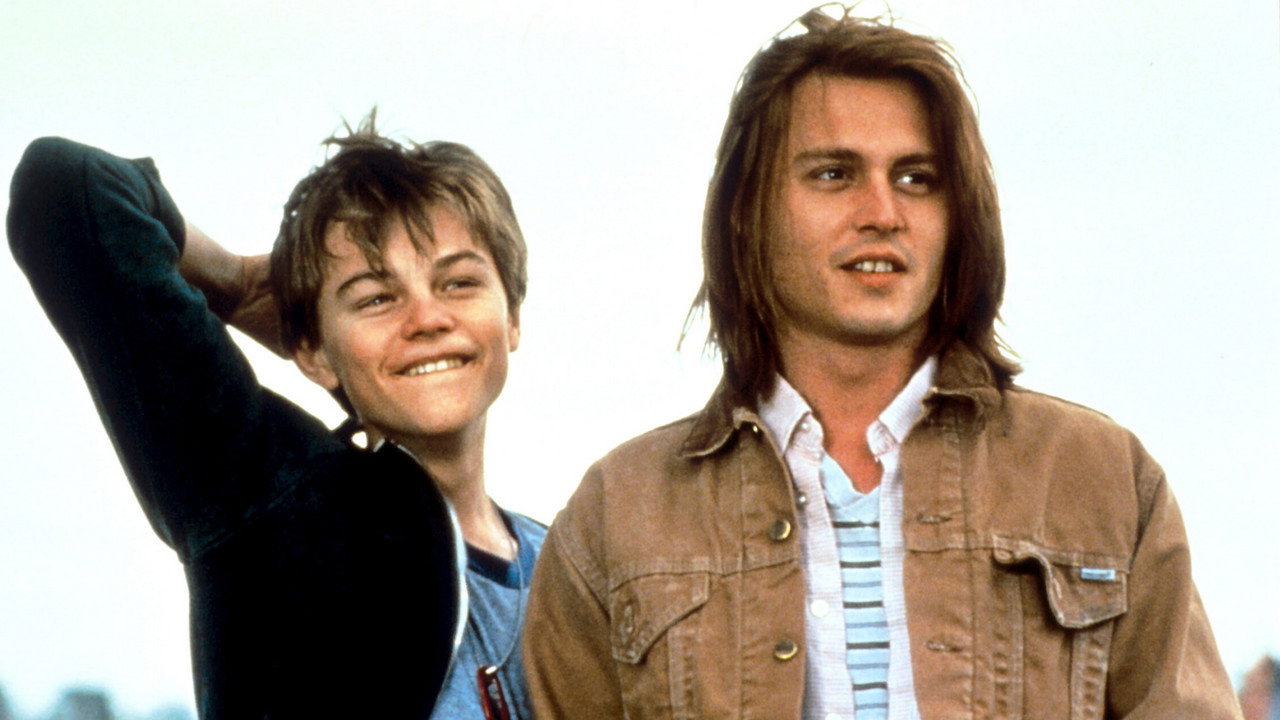
The turn came in 1993. In This Boy's Life he held his own opposite Robert De Niro, after being chosen from many young actors. Later that year, in What's Eating Gilbert Grape, he played Arnie, a teenager with an intellectual disability, alongside Johnny Depp. The performance earned him his first Academy Award nomination, for Best Supporting Actor, at the age of 19.
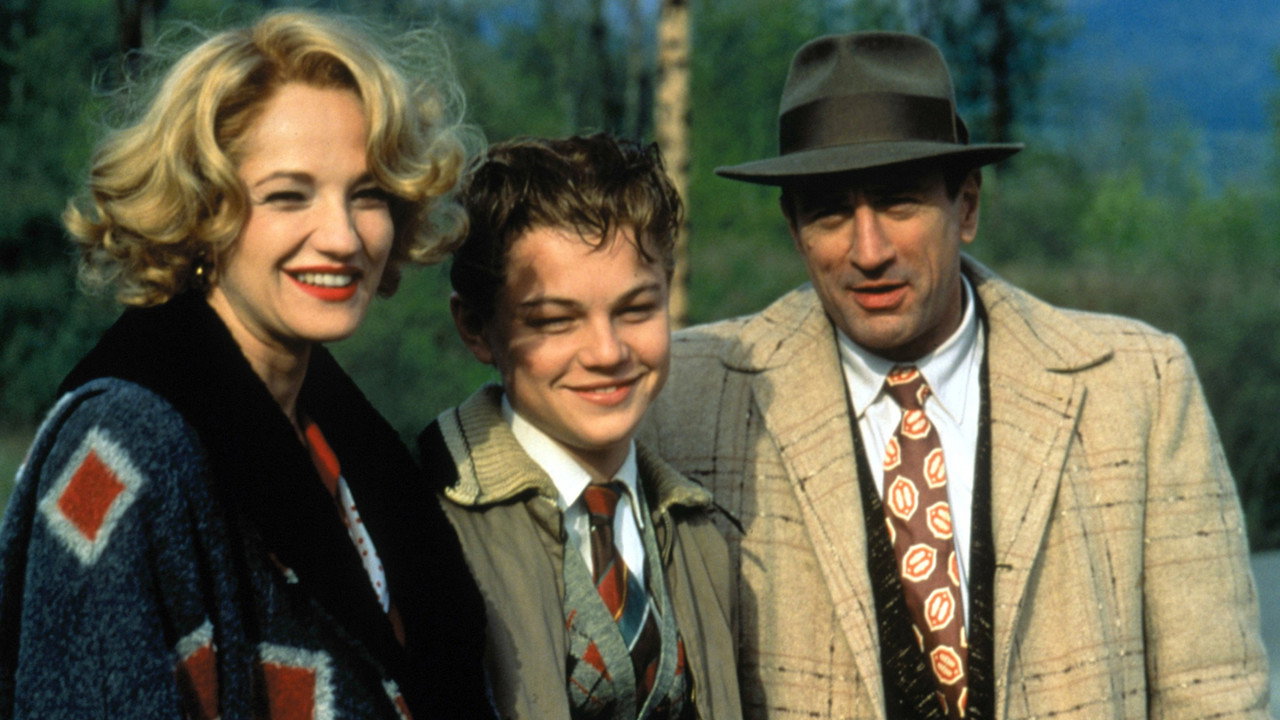
This Boy's Life (1993), opposite Robert De Niro
What's Eating Gilbert Grape (1993), with Johnny Depp
1995 – 1998

From young talent to global phenomenon

Romeo + Juliet, Titanic, and the biggest fame in the world.

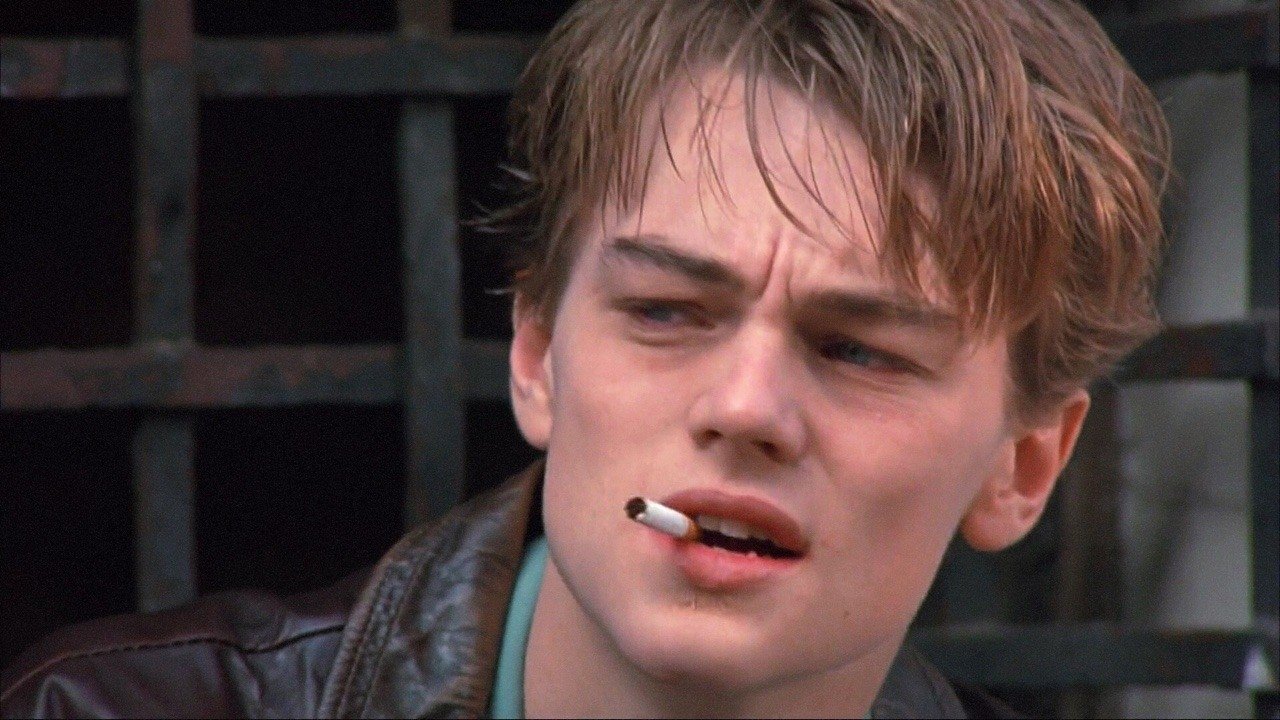
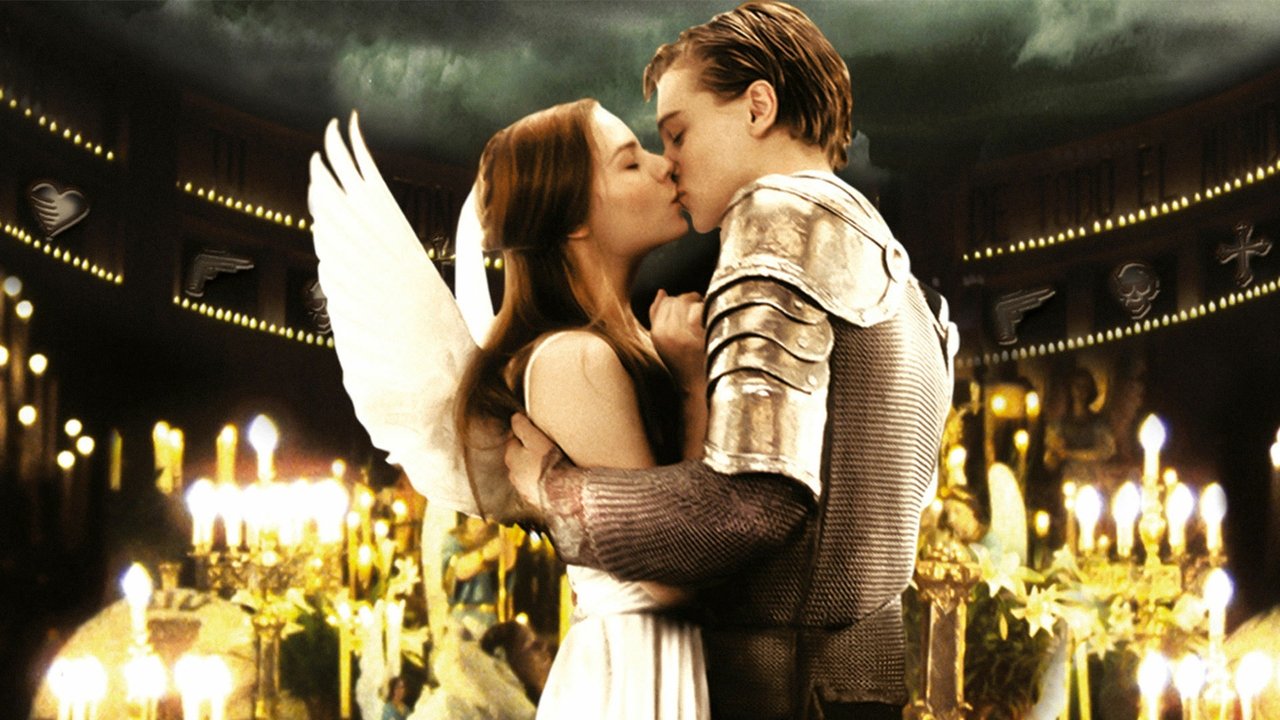
He followed his breakthrough with riskier work, including The Basketball Diaries, a harsh adaptation of Jim Carroll's memoir. In 1996 he starred in Baz Luhrmann's Romeo + Juliet, a bold, modern take on Shakespeare that made him a star with a new generation.

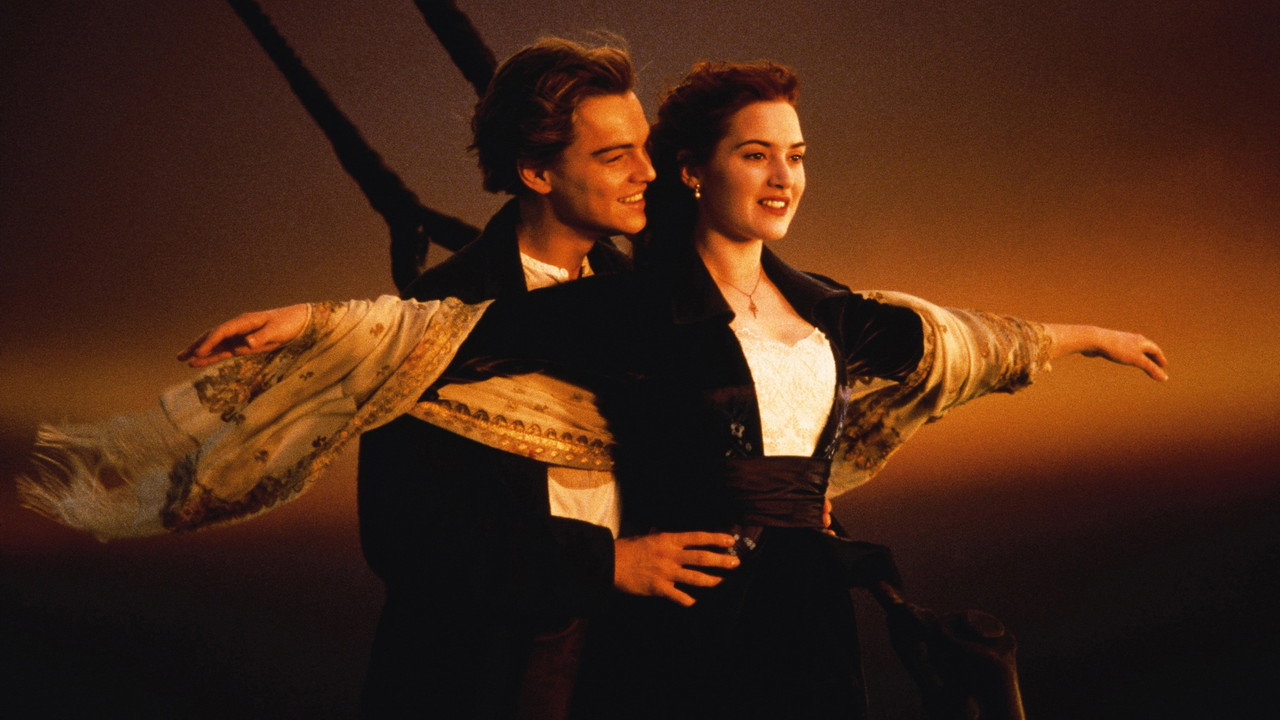
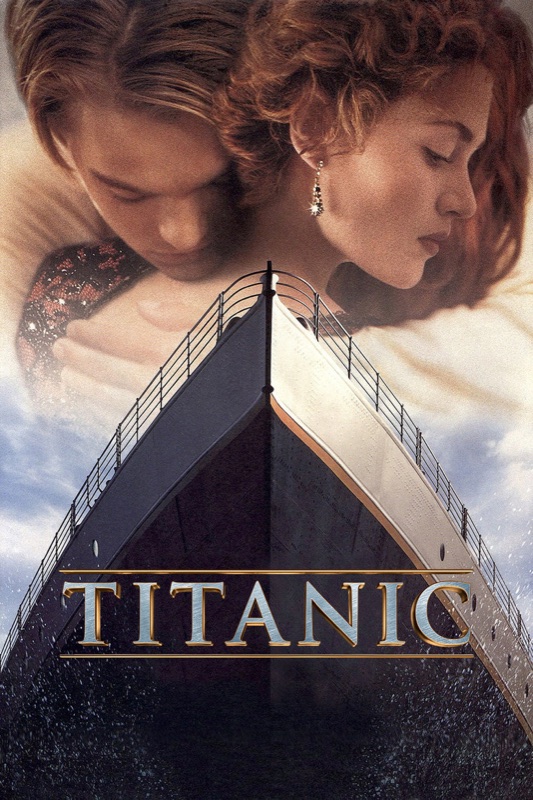
Then came Titanic in 1997. The film became a worldwide event, passing a billion dollars at the box office, and Leonardo went from respected young actor to one of the most famous people on the planet. In the same period, in 1998, he founded the Leonardo DiCaprio Foundation, an early sign that his ambitions reached beyond the screen.

The Basketball Diaries (1995)
Romeo + Juliet (1996), with Claire Danes
Titanic (1997), the film that made him a global icon
1999 – 2005

Choosing the harder path

He turned away from easy fame and toward great directors.

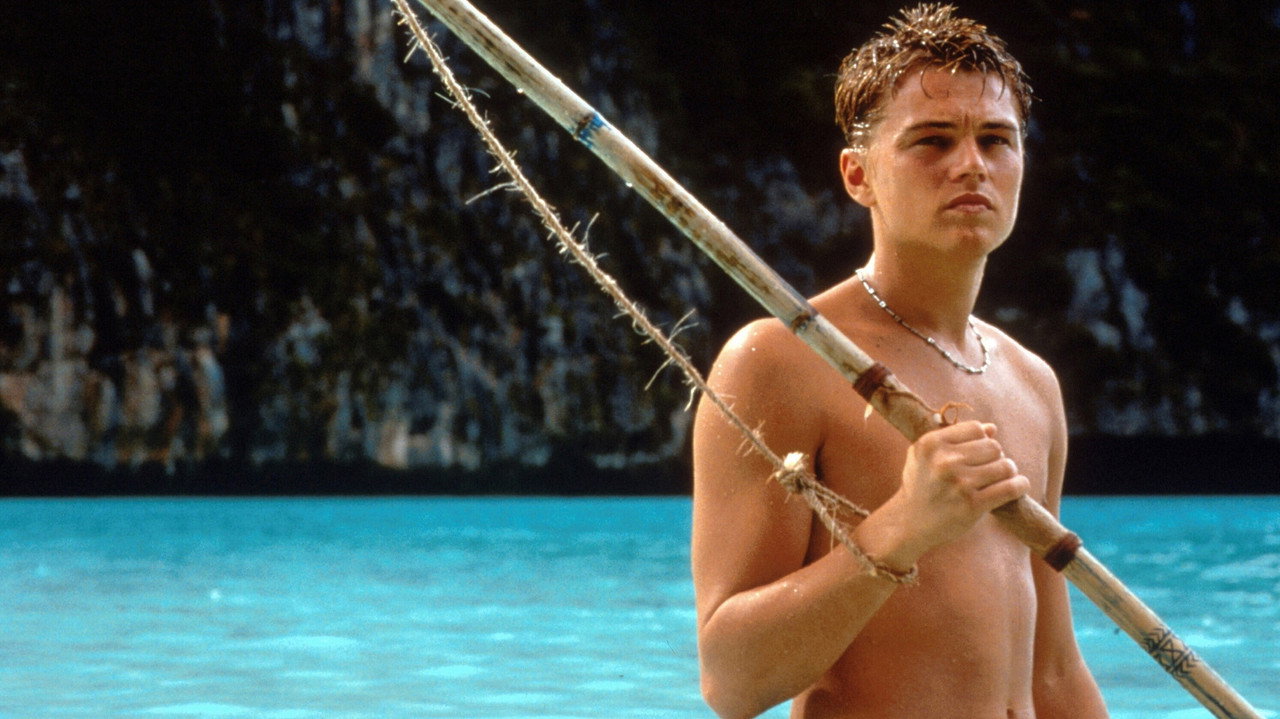
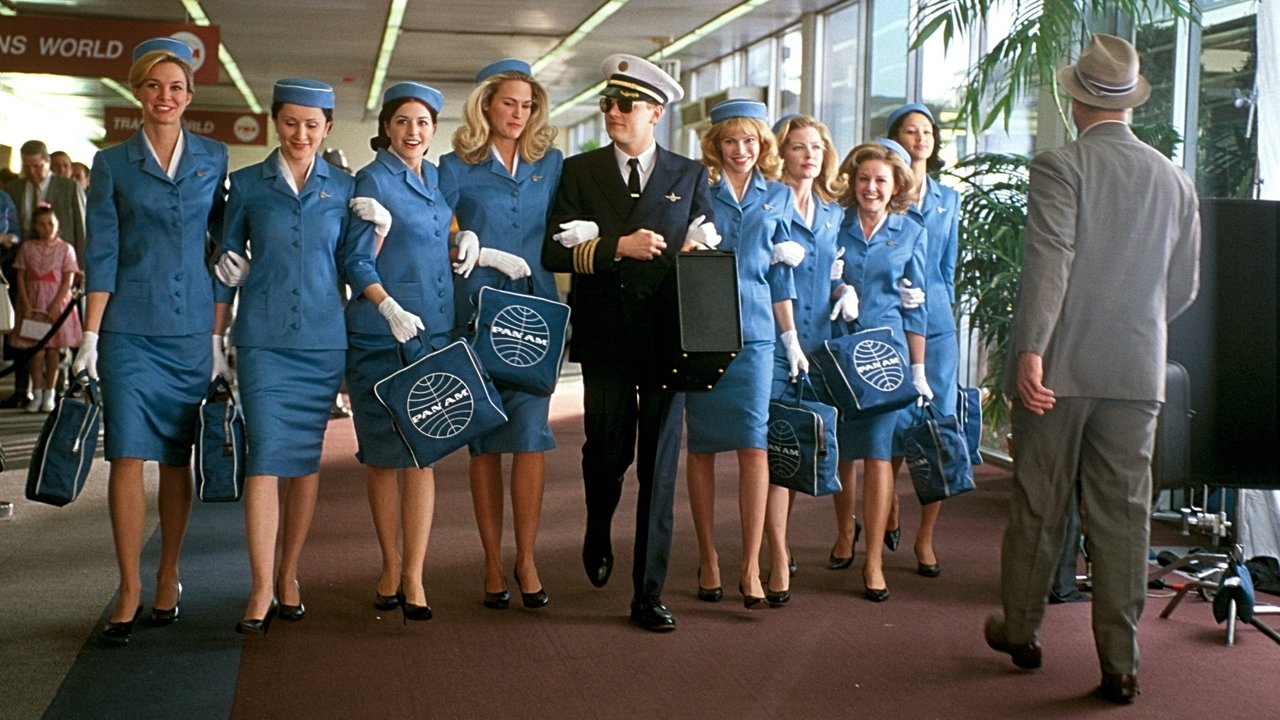
After Titanic, Leonardo could have taken any easy, safe role in Hollywood. He mostly did the opposite. He worked with directors who would stretch him: Danny Boyle on The Beach, Steven Spielberg on Catch Me If You Can, and, most importantly, Martin Scorsese.

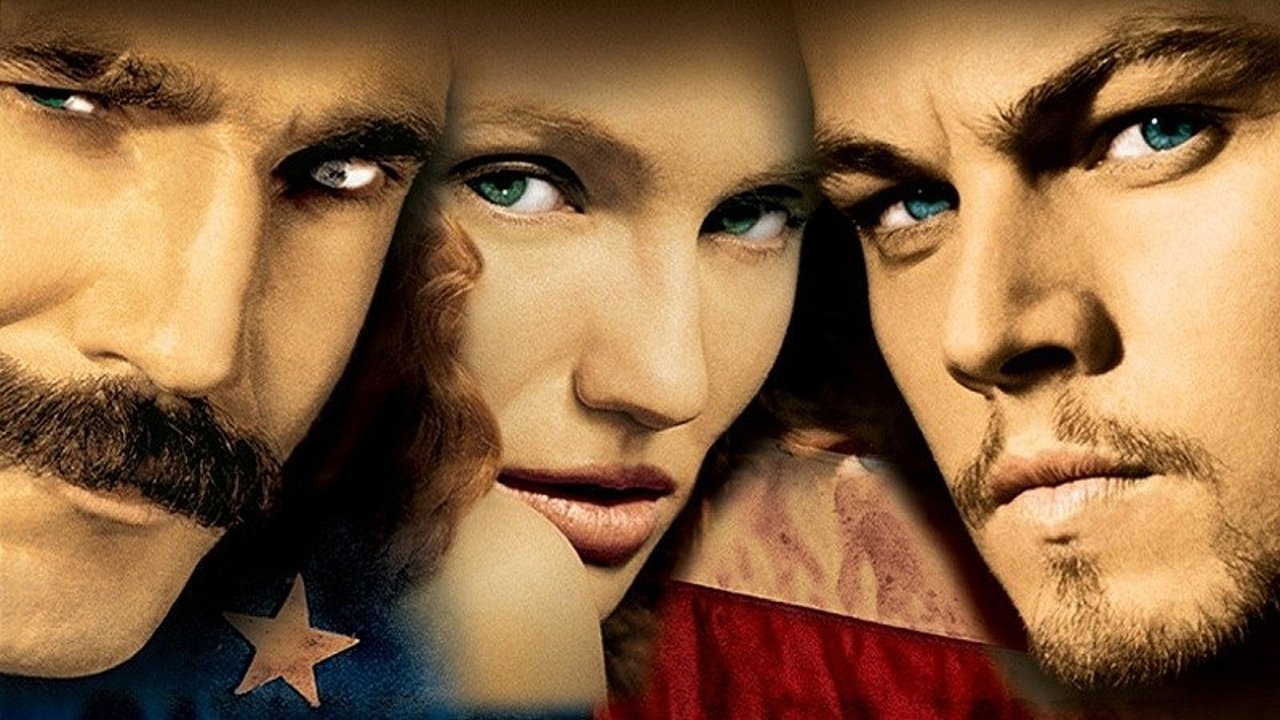
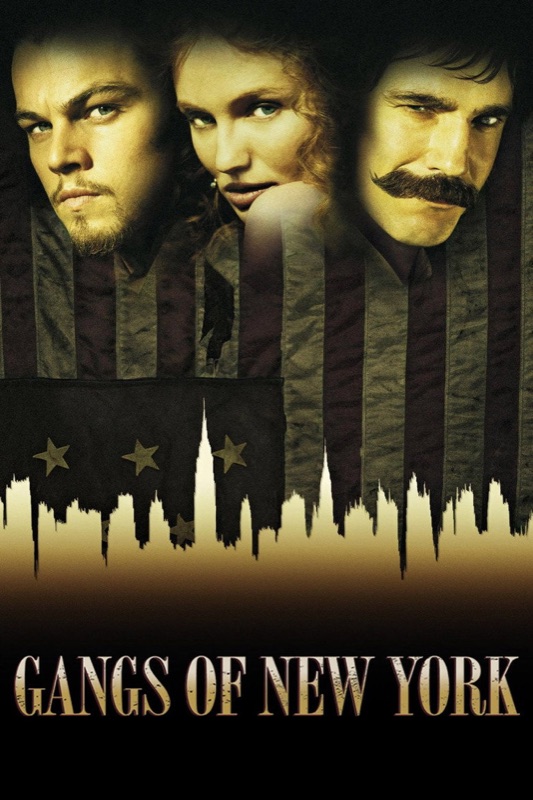
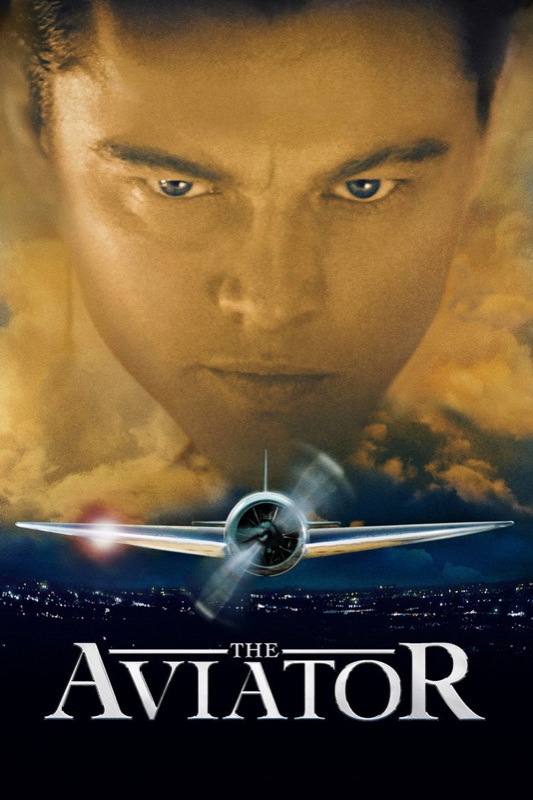
Gangs of New York in 2002 began the partnership that would define his career. In 2004 The Aviator, in which he played Howard Hughes, earned him a Golden Globe and another Oscar nomination, and showed that the young star had become a serious leading man.

The Beach (2000)
The Beach (2000)
Gangs of New York (2002), his first film with Martin Scorsese
Catch Me If You Can (2002), directed by Steven Spielberg
The Aviator (2004), as Howard Hughes
2006 – 2013

The great collaborations

Scorsese, Nolan and Tarantino, and a run of modern classics.

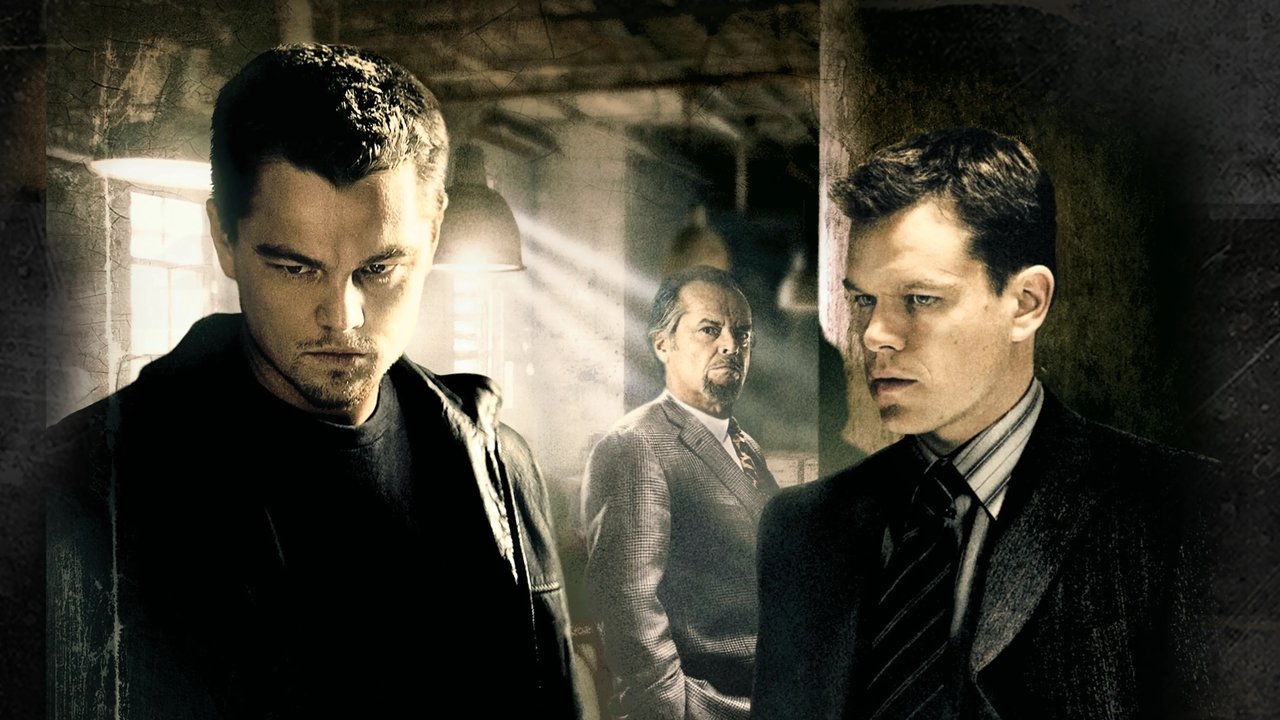
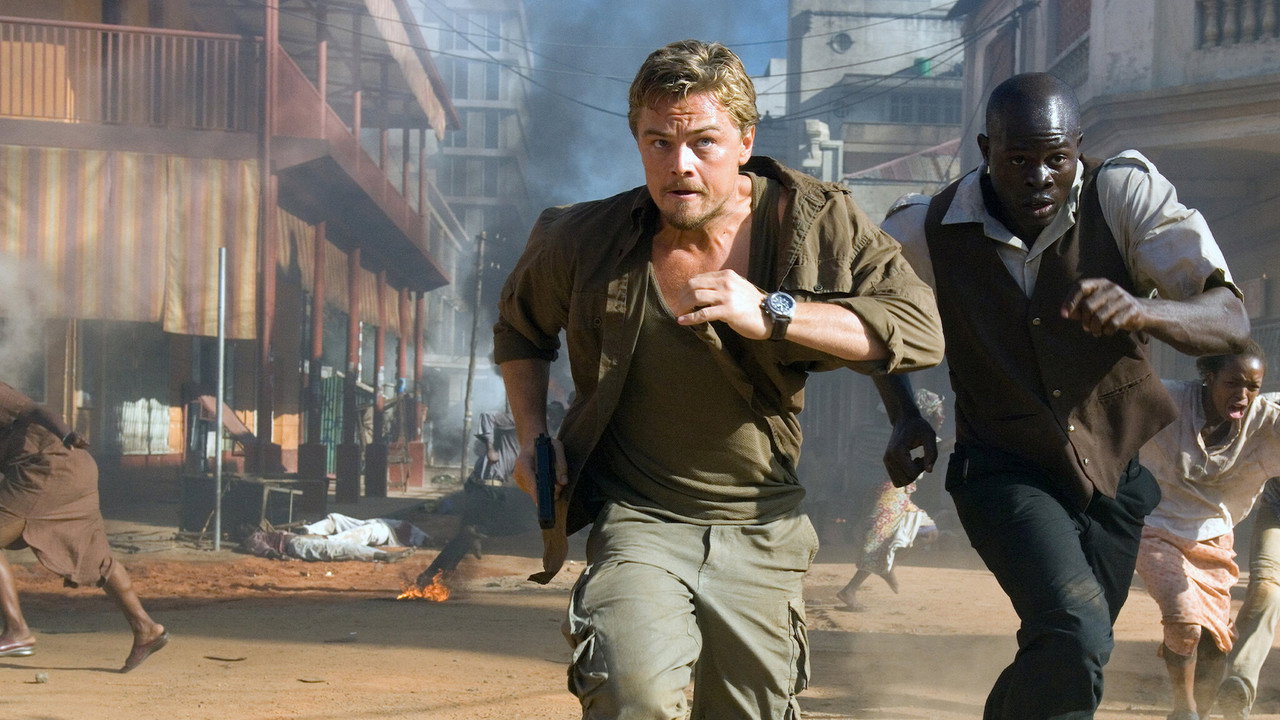
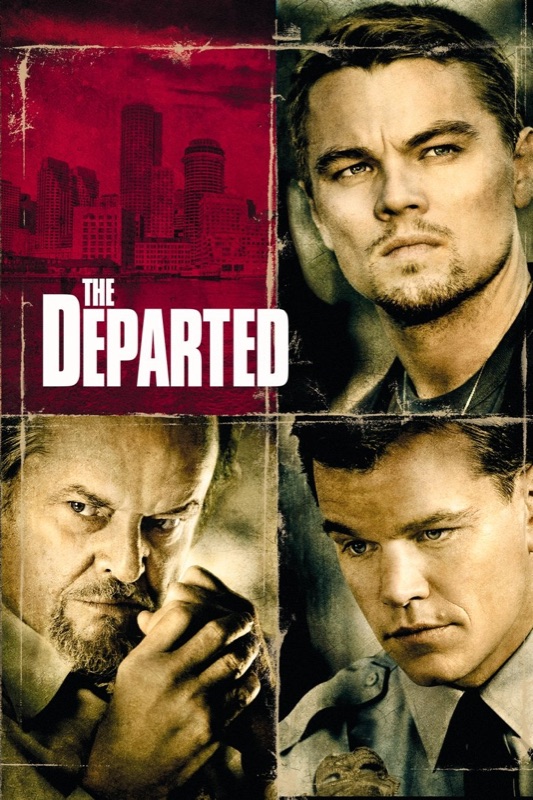
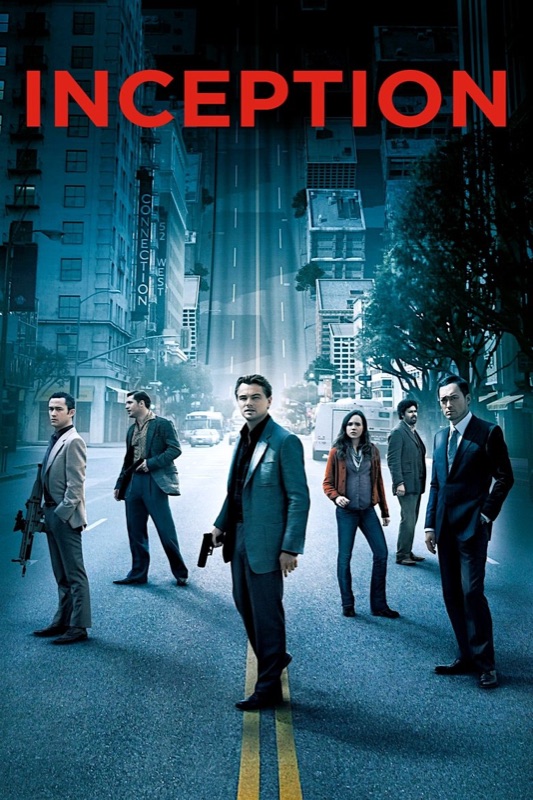
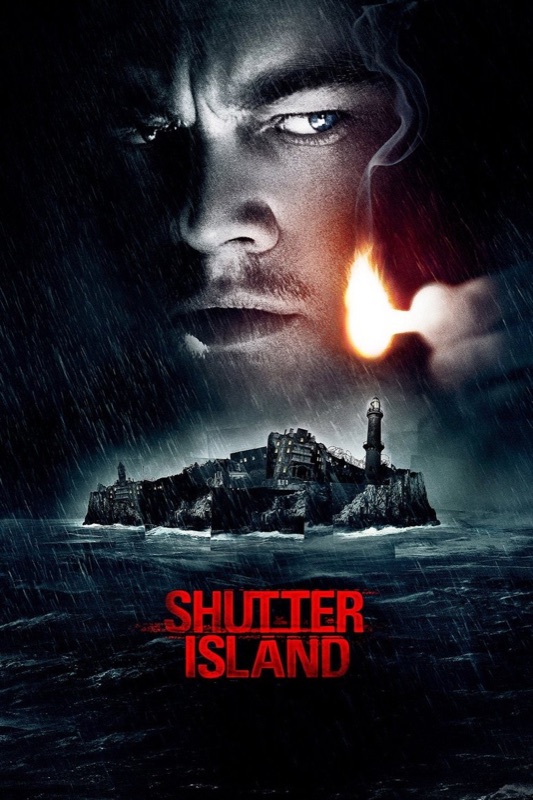
This was the stretch in which Leonardo worked with almost every major director of his generation. The Departed in 2006 won Best Picture. Blood Diamond brought another Oscar nomination. Inception and Shutter Island arrived in the same year, 2010, one a huge original blockbuster and the other a dark psychological thriller. J. Edgar, Django Unchained and The Great Gatsby followed.

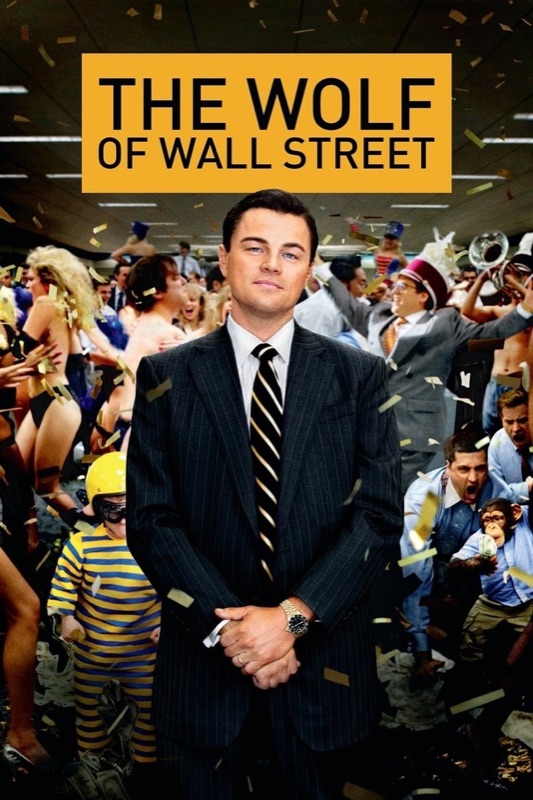
In 2013 The Wolf of Wall Street, which he also produced, earned him a Golden Globe and a fourth acting nomination for an Oscar. By the end of this run his name on a poster was one of the few things that could bring a worldwide audience to a serious adult film.

The Departed (2006)
The Departed (2006)
Blood Diamond (2006)
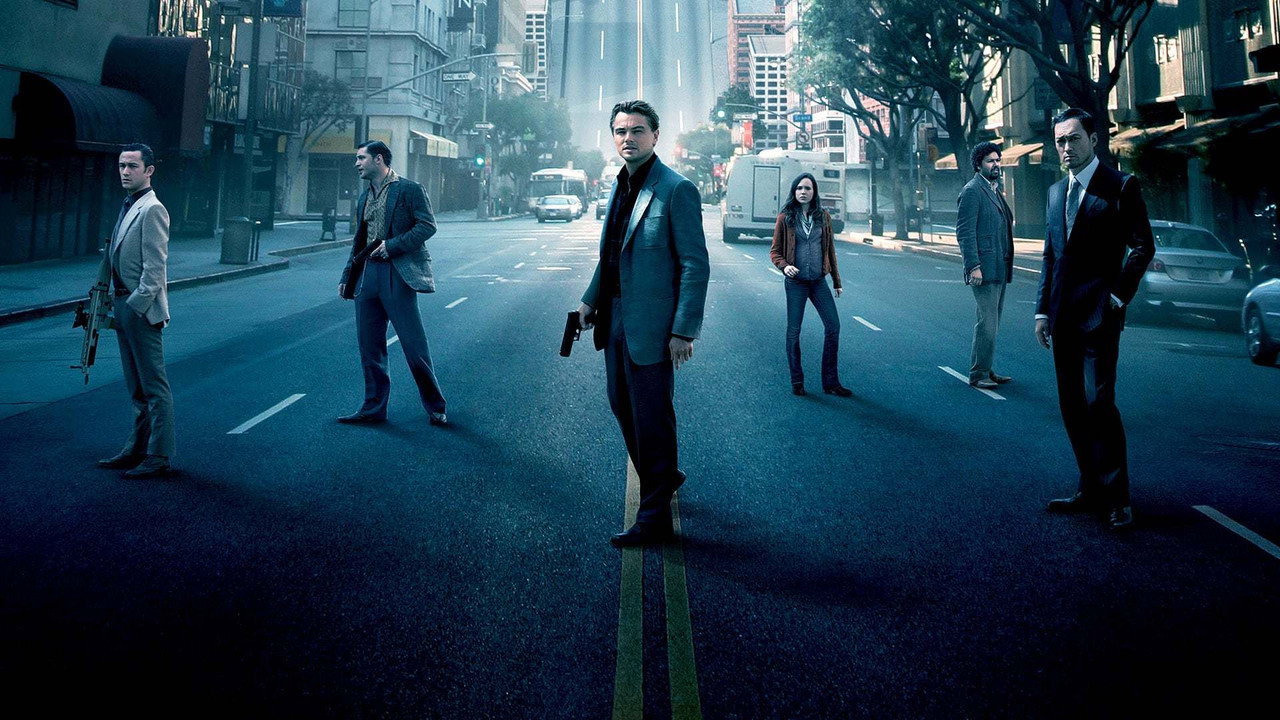
Inception (2010)
Inception (2010)
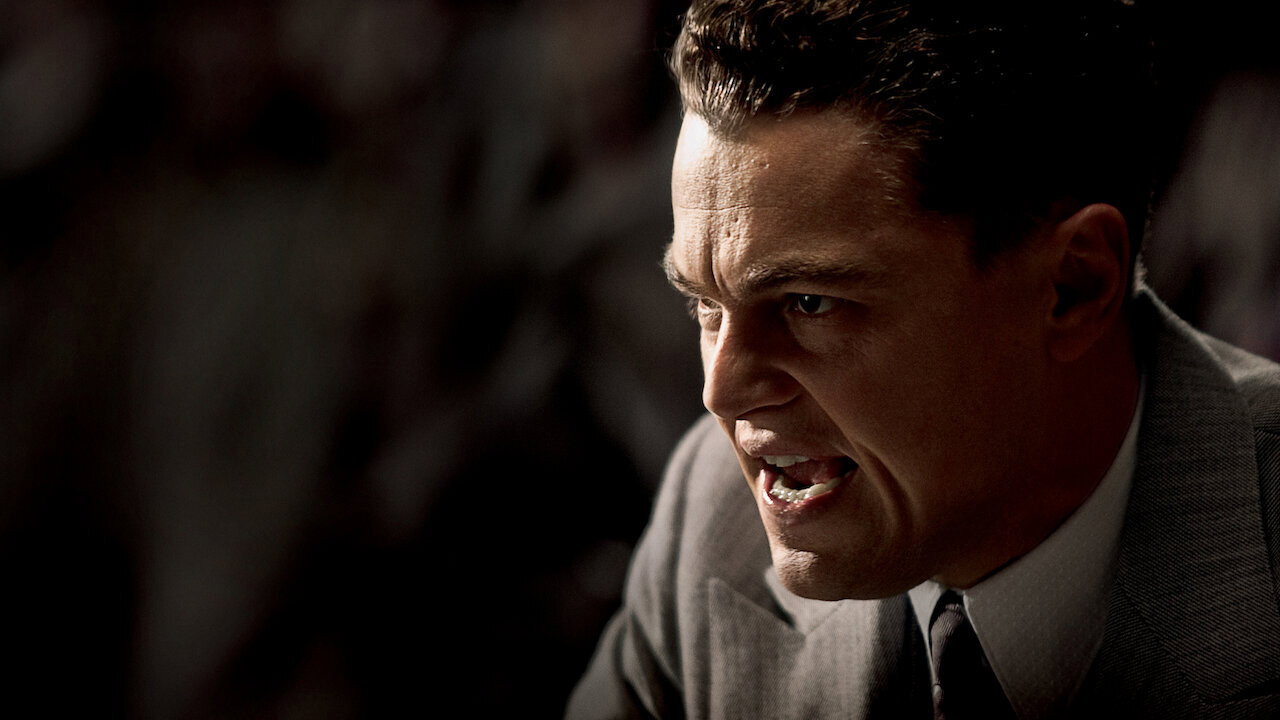
J. Edgar (2011), directed by Clint Eastwood
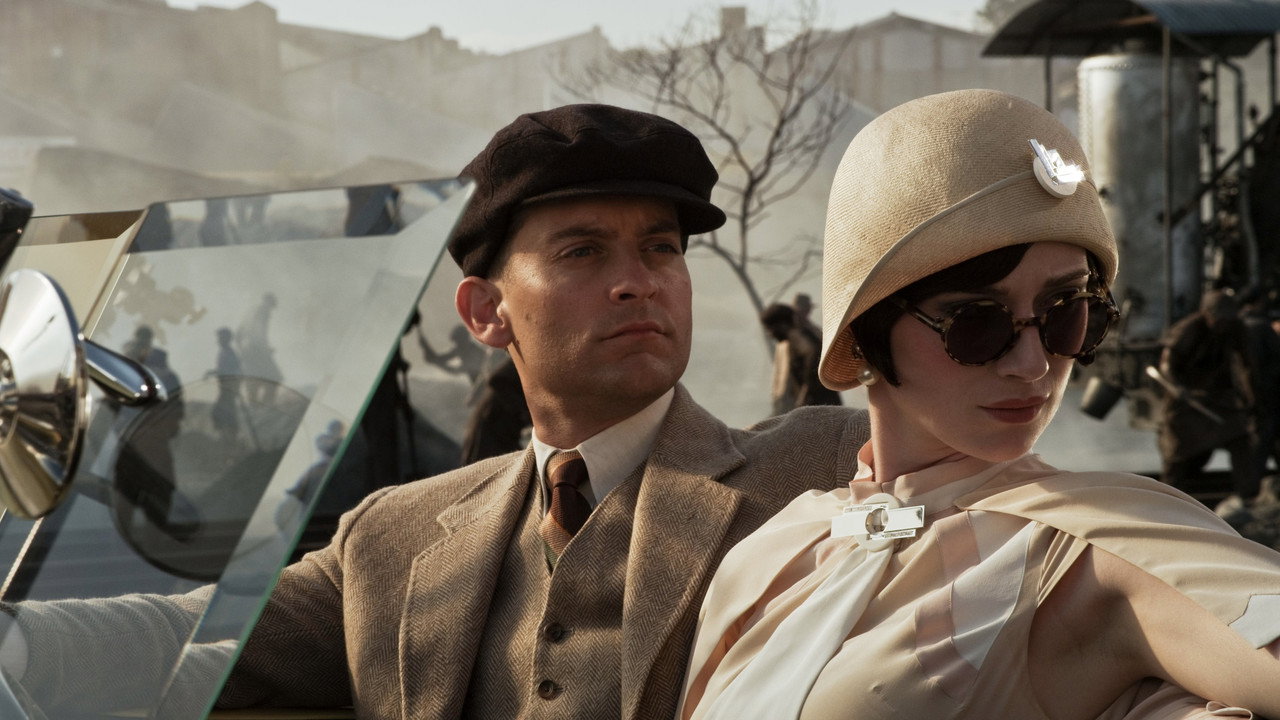
The Great Gatsby (2013)
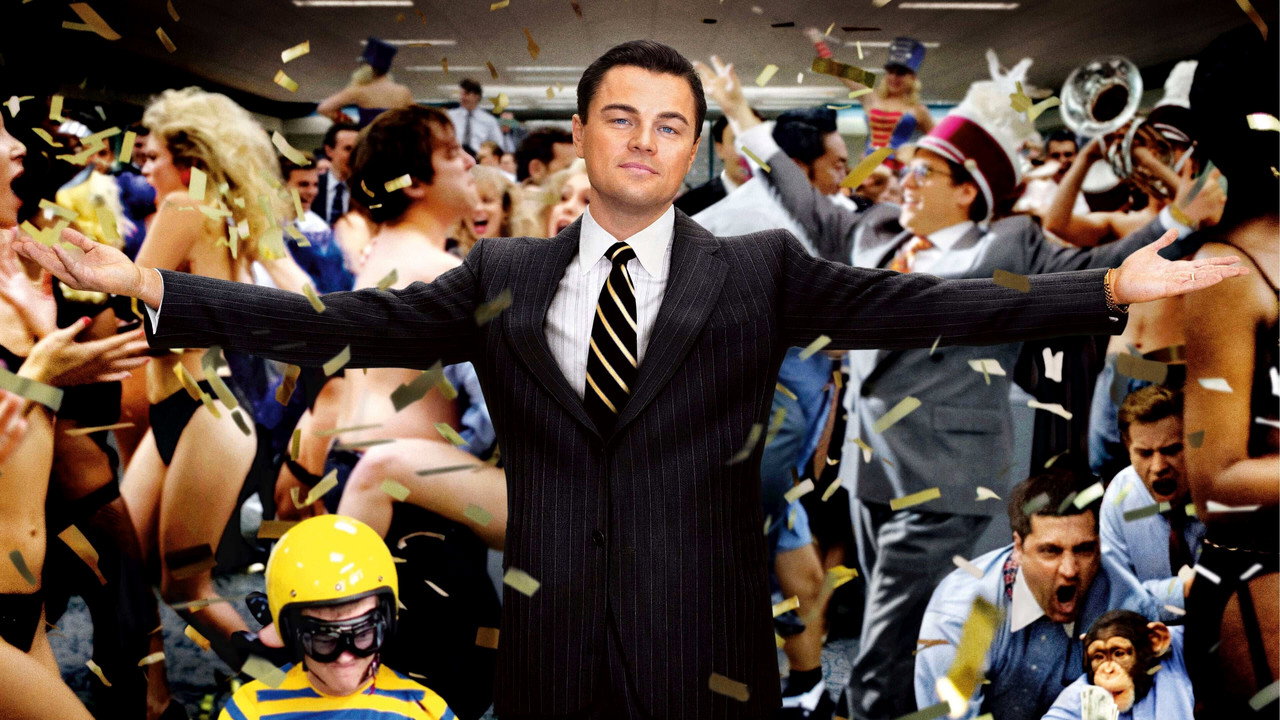
The Wolf of Wall Street (2013)
2015 – 2016

The Oscar, and the speech

The Revenant, a long-awaited win, and a message to the world.

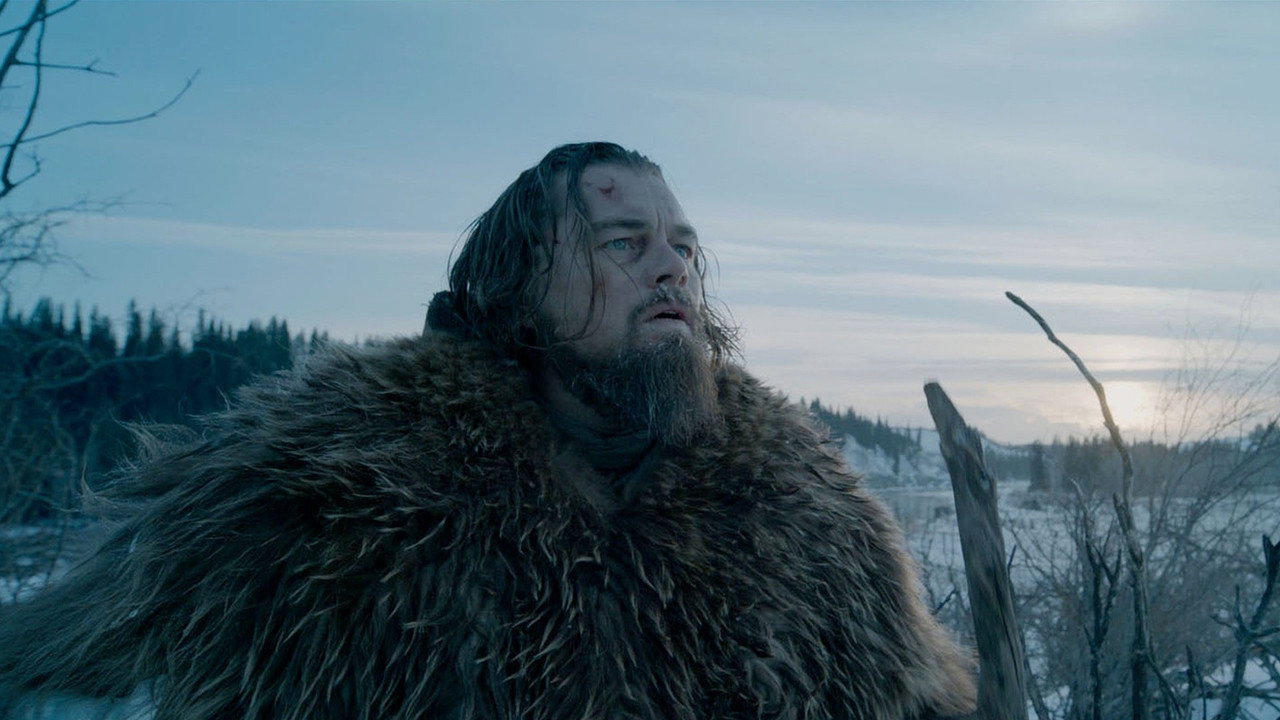
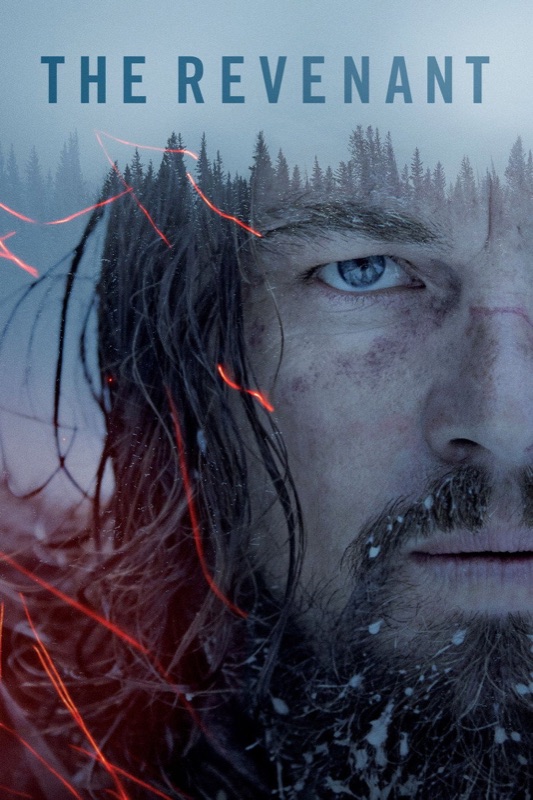
The Revenant asked more of him physically than any film before it. Shot in freezing, remote locations in natural light, it demanded months of hard work in snow and rivers. On February 28, 2016, after years of nominations, Leonardo won the Academy Award for Best Actor.

In his acceptance speech he used his moment to speak about climate change, calling it the most urgent threat facing our entire species. That same year he produced and starred in the documentary Before the Flood. For many people, it was the moment his two lives, as an actor and as an advocate, became one story.

The Revenant (2015), the performance that won the Oscar
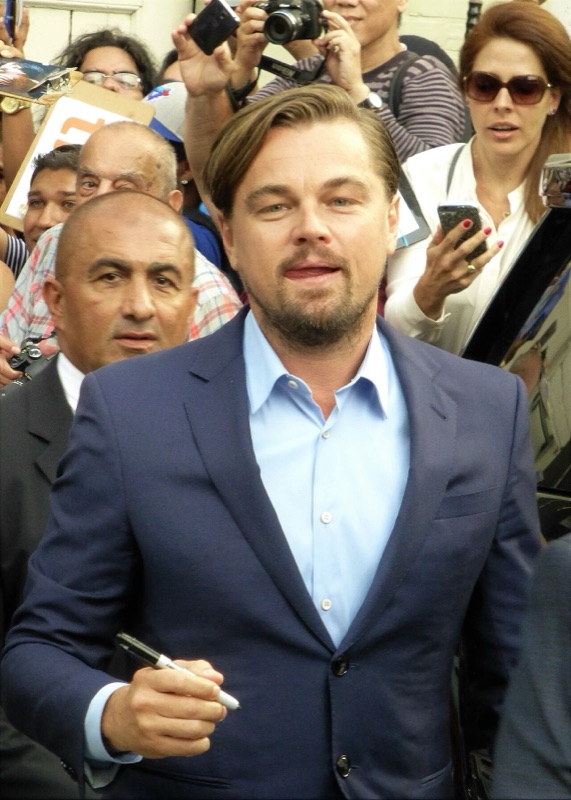
Toronto International Film Festival, 2016
Toronto International Film Festival, 2016Photo: GabboT · CC BY-SA 2.0
2019 – today

A legacy still being written

New collaborations, a new generation of directors, and a larger purpose.

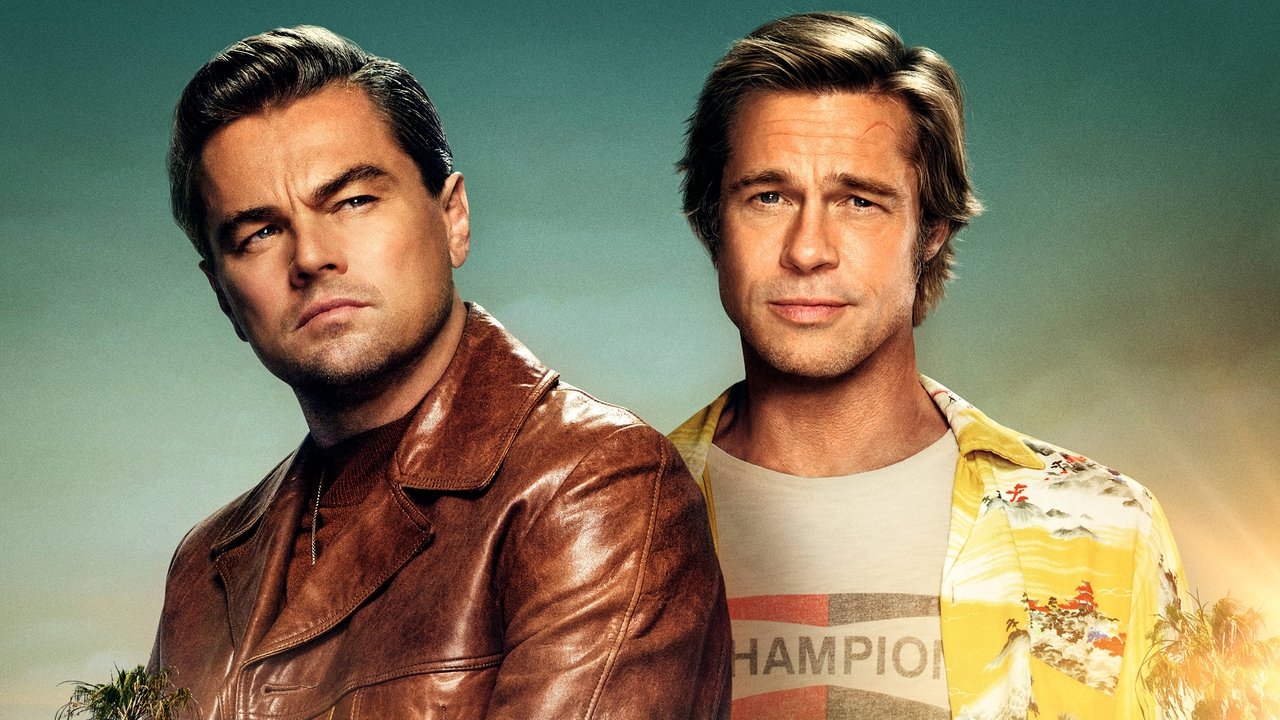
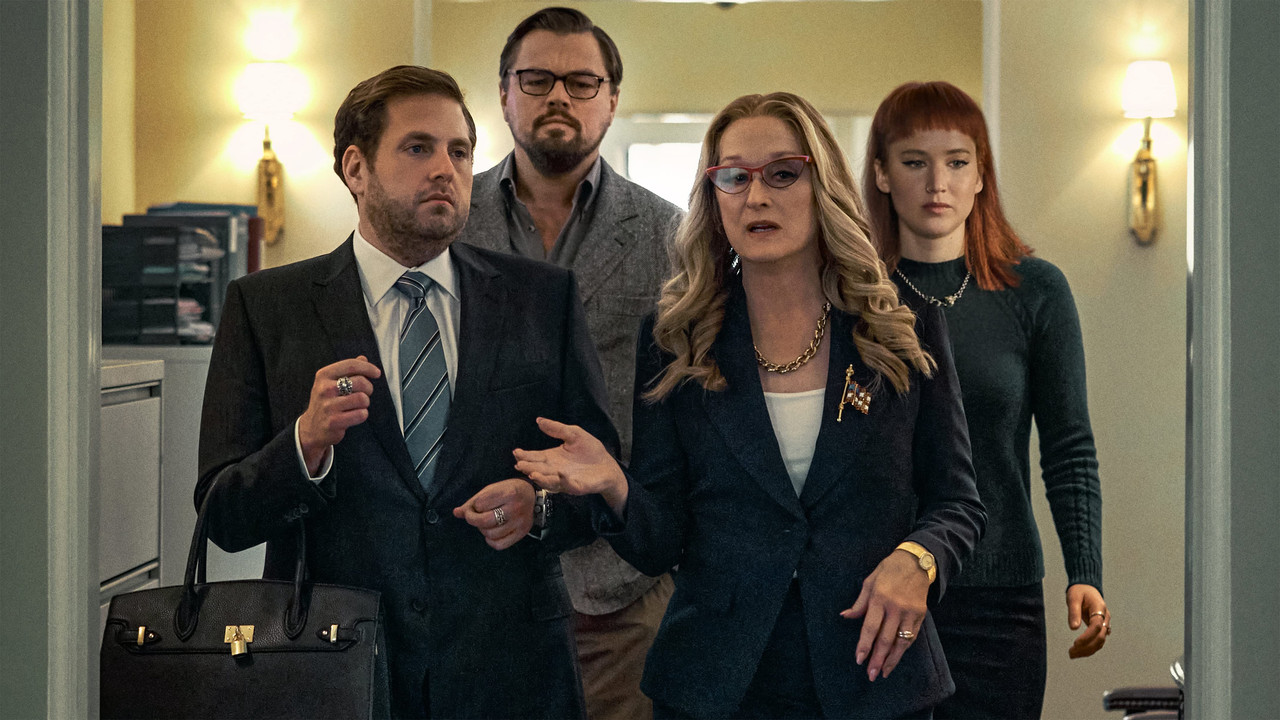
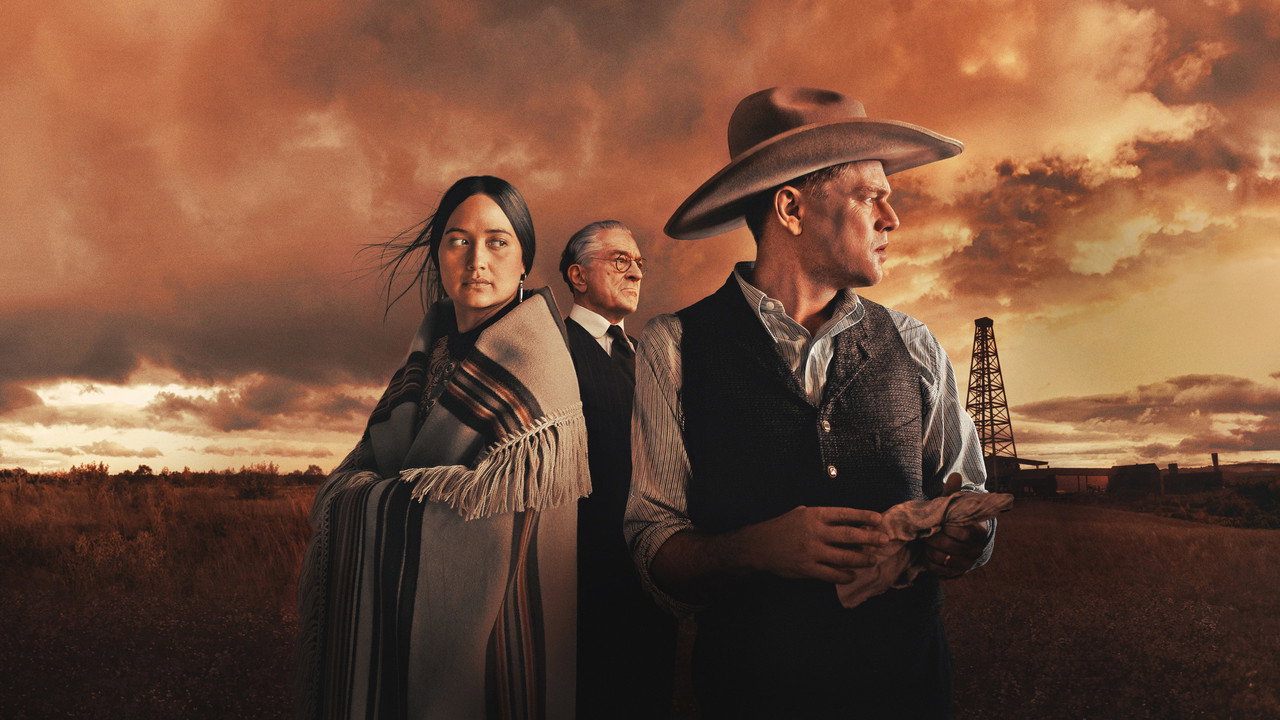
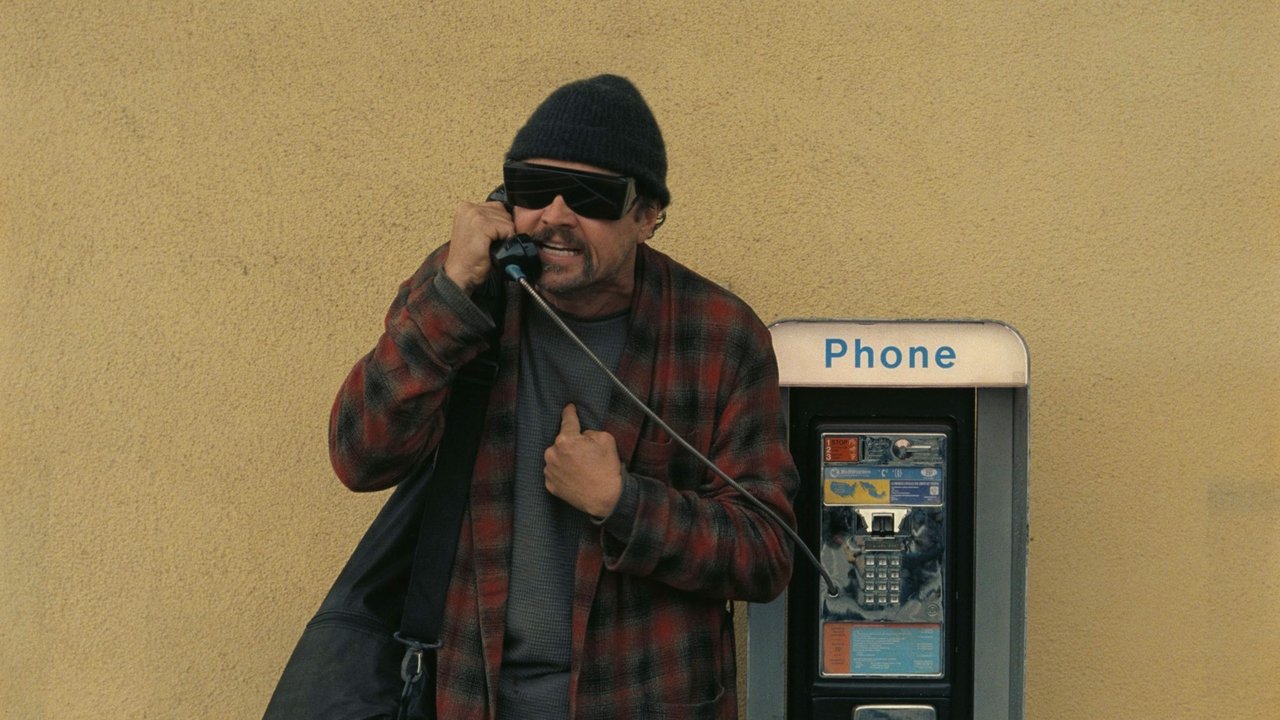
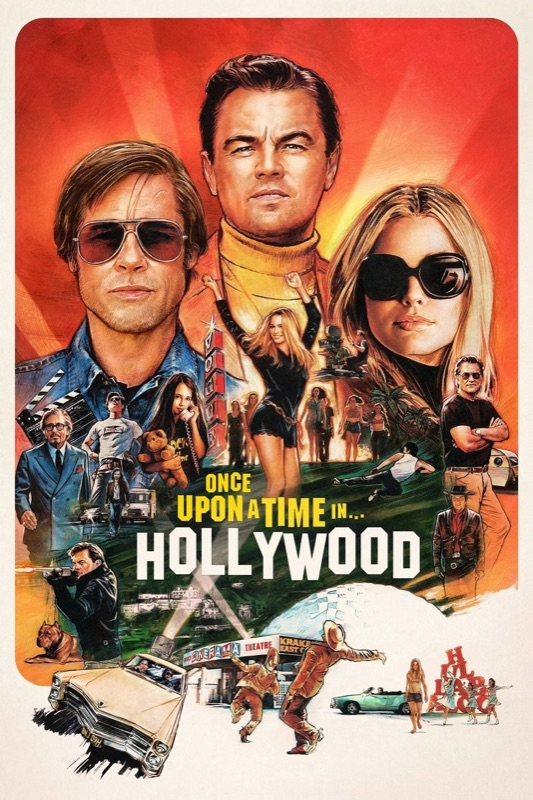
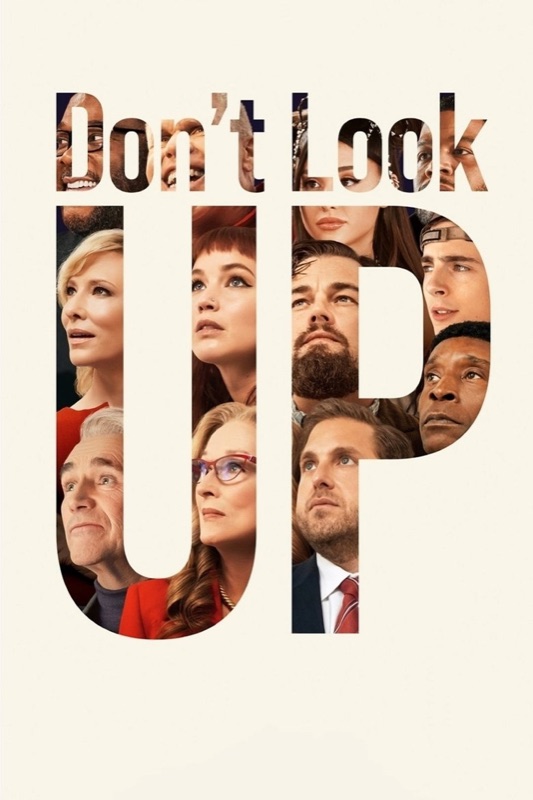
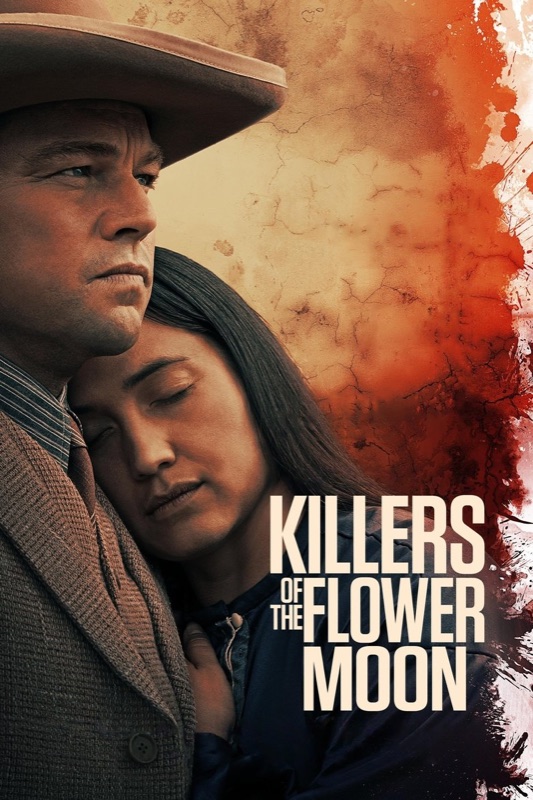
He has kept choosing ambitious work. In Once Upon a Time in Hollywood he starred beside Brad Pitt for the first time, earning another Oscar nomination. In Don't Look Up he made a satire about ignoring scientific warnings. In Killers of the Flower Moon he reunited with Martin Scorsese to tell the story of the Osage murders. In 2025 he starred in One Battle After Another for director Paul Thomas Anderson, which earned him another Best Actor nomination at the 98th Academy Awards.

Off screen, his environmental work has deepened. He helped found Earth Alliance in 2019 and Re:wild in 2021, and he keeps using his reach to draw attention to wildlife, forests, oceans and Indigenous communities.

Once Upon a Time… in Hollywood (2019)
Don't Look Up (2021)
Killers of the Flower Moon (2023)
One Battle After Another (2025), directed by Paul Thomas Anderson
What he gave Hollywood

His mark on cinema

Some actors have hits. Leonardo DiCaprio has had a run of films that people still argue about, quote and return to: a love story that broke every record, a dream-heist thriller no one saw coming, a mob epic that won Best Picture, and a survival drama that finally earned him an Oscar. Here is what that run looks like, film by film.

The blockbusters
Over $6.1 billion from just these 11 films

Approximate worldwide box office, rounded. Tap any film to see why it mattered.

Titanic poster
1997
Titanic
Directed by James Cameron
$2.26B
worldwide, approx.

The first film ever to pass a billion dollars, and the biggest in history for about twelve years. People went back to see it again and again, and a song, a pose and a line from it entered everyday life.

Full story

Moments that changed the game

Eight films, and what each one meant for audiences and for Hollywood.

15 weeks at No. 1
The first billion

Titanic stayed at the top of the U.S. box office for fifteen weeks in a row, won eleven Oscars and made Leonardo a household name on every continent. It changed what studios believed an audience would sit through for love.

Read the full story
Best Picture
Scorsese's long-awaited Oscar

After years of nominations, Martin Scorsese finally won Best Director for The Departed, a tense mob thriller carried by Leonardo's fraying undercover cop. Hollywood celebrated it as a career honoured.

Read the full story
≈ $830M, no franchise
Originality as a blockbuster

Inception proved that a huge summer film could be built on a puzzle of an idea. Its rotating hallway, folding city and booming score were copied for years afterwards.

Read the full story
5 Oscar nominations
Comedy at full volume

Leonardo and Scorsese turned a story of greed into a wild, fast, darkly funny three-hour film that audiences argued over and quoted endlessly.

Read the full story
Best Actor, 2016
The Oscar

The Revenant asked everything of him physically. The win that followed, and the speech that went with it, were celebrated around the world.

Read the full story
10 Oscar nominations
Two stars, one love letter

Tarantino's tribute to 1969 Los Angeles put Leonardo and Brad Pitt together at last, playing an actor and his stunt double with real affection.

Read the full story
A Netflix streaming hit
A film that started an argument

Don't Look Up got scientists, politicians and viewers debating how the world responds to warnings. It sat among the most-watched films in Netflix history when it came out.

Read the full story
10 Oscar nominations
Bringing the Osage story to the world

A story many people had never been taught reached cinemas worldwide, with Osage voices, language and customs at the centre of the telling.

Read the full story
The Scorsese partnership
Six films. Twenty-one years.

One of the great actor and director partnerships in film history, from Gangs of New York in 2002 to Killers of the Flower Moon in 2023. Each film took him somewhere new.

The directors he worked with

Part of his mark on cinema is the company he kept. Almost every major director of his generation has put him on screen.

James Cameron
Titanic
Steven Spielberg
Catch Me If You Can
Martin Scorsese
Six films, 2002–2023
Christopher Nolan
Inception
Quentin Tarantino
Django Unchained, Once Upon a Time… in Hollywood
Clint Eastwood
J. Edgar
Alejandro G. Iñárritu
The Revenant
Adam McKay
Don't Look Up
Paul Thomas Anderson
One Battle After Another
Baz Luhrmann
Romeo + Juliet, The Great Gatsby

What he changed

01
He made a love story the biggest film in the world

Titanic proved that an epic romance, with a very long running time and a story everyone knew the ending to, could be the biggest event in cinema. It became the first film to pass a billion dollars and reset what studios believed audiences would show up for.

02
He helped keep serious, adult films alive

In a period when blockbusters were increasingly built around sequels and franchises, his name could still open original, ambitious films for grown-up audiences, from Inception to The Departed to Killers of the Flower Moon.

03
He built one of cinema's great partnerships

Over six films, from Gangs of New York to Killers of the Flower Moon, he and Martin Scorsese created one of the great actor and director collaborations in film history, in the tradition of Scorsese's earlier work with Robert De Niro.

04
He put his weight behind other people's stories

Through his production company, Appian Way, and by lending his name to projects, he helped bring difficult stories to the screen, including The Wolf of Wall Street and Killers of the Flower Moon.

05
He showed that a star could also be a serious artist

After Titanic, he could have repeated himself. Instead he chose risky roles and demanding directors again and again. That choice, more than any single film, changed how many people saw what a leading man in Hollywood could be.

What he believes

His philosophy

Patterns that show up in the way he works and the way he lives.

01
Choose the work, not the fame

He picks projects for the story and the filmmaker, not for the size of the audience. That is why his filmography looks more like a series of bets than a brand.

02
Go all the way in

From months of cold in The Revenant to years of preparation for The Aviator, he is known for committing completely to a role and to the people making it with him.

03
Stay loyal to the people you trust

His long creative partnerships, with Martin Scorsese above all, and his lifelong friendship with Kate Winslet, show a person who values trust and loyalty over novelty.

04
Guard your private life

Despite being one of the most photographed people in the world, he has kept much of his private life to himself, and his public image has been built through his work and his causes rather than through publicity.

05
Use influence for something bigger

He has said again and again, in speeches and in action, that fame is only worth something if you use it. For him, that has meant putting a global platform behind nature and climate.

Accepting the Academy Award in 2016, he called climate change “the most urgent threat facing our entire species.”

Leonardo DiCaprio · Oscars, 2016
What matters most to him

What he cares about

The causes and ideas he returns to again and again.

The natural world

Wild places and the wildlife in them are at the centre of his work. He founded the Leonardo DiCaprio Foundation in 1998, and has supported efforts to protect forests, oceans and endangered species ever since.

The climate crisis

He was named a United Nations Messenger of Peace for climate change in 2014, produced Before the Flood in 2016, and used his Oscar speech to call for action.

Indigenous peoples

He has repeatedly lent his voice to the communities who defend forests and rivers, and to stories like that of the Osage Nation in Killers of the Flower Moon.

Great storytelling

Beyond causes, what he cares about most as an artist is simple: good stories, told by great filmmakers, with the time and freedom to do them properly.

Go deeper

Read more on Wikipedia

Wikipedia, the free encyclopedia, has detailed articles on his life and work. These links open in a new tab.

Articles are from Wikipedia and are shared under the Creative Commons Attribution-ShareAlike licence.

The legacy

How he will be remembered

When people talk about Leonardo DiCaprio's legacy, these are the things most likely to be remembered.

The Titanic generation

The face of a film that millions around the world shared, and still return to.

An unmatched run of films

A body of work spanning Scorsese, Nolan, Tarantino, Spielberg, Eastwood and Anderson.

The Revenant moment

The long-awaited Oscar, and a speech that tied cinema to the climate.

A voice for the planet

An actor who spent decades, and a great deal of his influence, defending wild places.

A standard for the craft

Proof that a movie star can also be a serious, risk-taking artist.

An actor who grew up in the film business and then became one of its great modern figures. A performer who refused to repeat himself. And a public figure who spent much of his influence defending the natural world. That combination, of art that moves people and a life spent trying to protect something larger than himself, is what is likely to last.

Frequently Asked Questions

Common Questions About Leonardo DiCaprio

Factual answers to the most frequently searched queries regarding Leonardo DiCaprio's acting honors, iconic films, collaborations, and environmental advocacy.

Yes. Leonardo DiCaprio won the Academy Award for Best Actor in 2016 for his portrayal of Hugh Glass in The Revenant, directed by Alejandro G. Iñárritu. Across his career, he has received eight Academy Award nominations: seven for acting (What's Eating Gilbert Grape, The Aviator, Blood Diamond, The Wolf of Wall Street, The Revenant, Once Upon a Time in Hollywood, One Battle After Another) and one as a producer for Best Picture (The Wolf of Wall Street).

Last updated: October 13, 2026
Leonardo DiCaprio Official Digital Archive